


PSVAR – Exemptions End is Looming
Recently the ministers for transport Lord Hendy and Mr Simon Lightwood wrote to industry stakeholders to confirm there would be no exemptions to the PSVAR beyond 31st July 2026…
 by Emma Pelly

DVLA Confirms New Rules for Professional Drivers Living with Diabetes
From Friday 7th November 2025 the rules were changed to allow diabetic drivers of PSV’s and HGV’s to monitor their glucose levels using Continuous Glucose Monitoring Systems….
by Emma Pelly

The Senior Traffic Commissioner’s Statutory Guidance
The value of The Statutory Guidance Documents and the importance to operators, nominated transport managers and other professionals involved in the operation and driving of large commercial vehicles cannot be overstated…
by Emma Pelly

Walkaround Checks – Where Road Safety Starts
Every day, often before the sun is above the horizon, hundreds of thousands of commercial vehicles are started up by their drivers and then they head out on to the UK’s road network to transport goods or passengers from one point to another, often with demanding time constraints thrown into the mix…
by Emma Pelly

Traffic Commissioner’s Annual Report 2024/25: “Don’t Look Back in Anger”
Time has flown by and once again we find that the schools are back after the long summer break and the Office of the Traffic Commissioner has issued its annual report to the Secretary of State, providing a review of the year…
by Emma Pelly

An Apple a Day to Keep the DVLA Away – A review of the DVLA’s Rules on Health Checks for Professional Drivers
There has been some discussion in the industry trade press recently that has highlighted proposed changes to how the disease of diabetes is monitored in professional drivers by the DVLA. One article in RouteOne Magazine stated that…
by Emma Pelly
Revisiting the DVSA’s Guide to Maintaining Roadworthiness
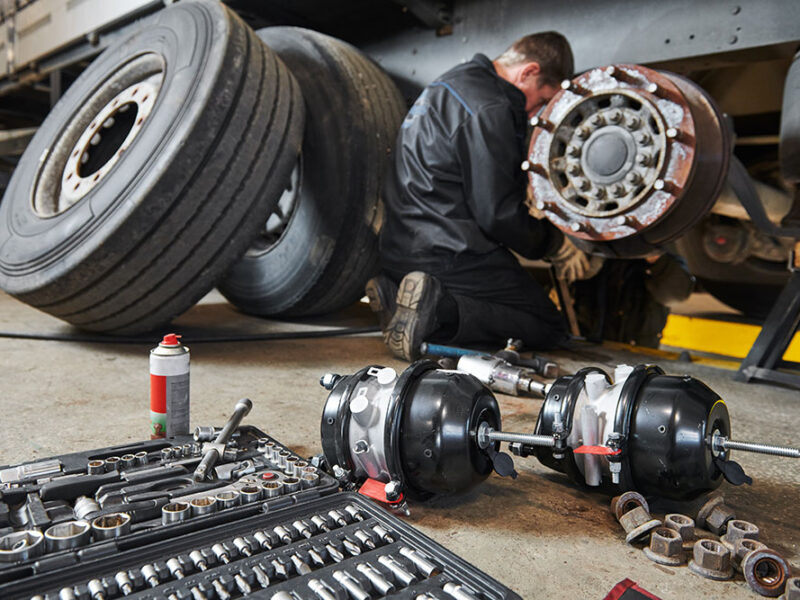
In April 2025 the Driver & Vehicle Standards Agency (DVSA) issued the latest edition of its Guide to Maintaining Roadworthiness.
by Emma Pelly
The Wheels on the Bus go Round & Round….but how do they Stop?
At the tail end of 2024 a Public Inquiry was held in front of Traffic Commissioner Kevin Rooney where the subject of brake maintenance practices was called into question…
by Emma Pelly
Maintenance Provision Rating Scheme for Commercial Vehicle Workshops is Launched
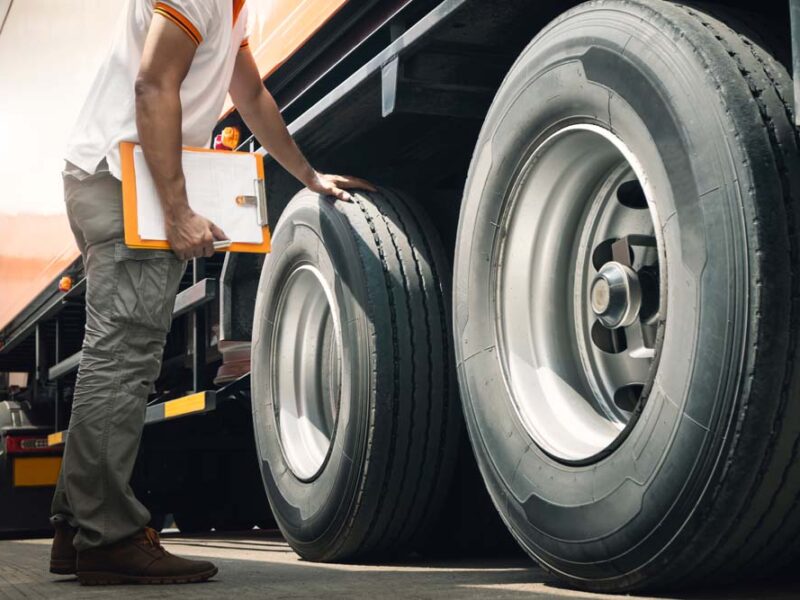
One of the key tenants of running a commercial vehicle operation, whether ‘HGV’ or ‘PSV’ is that the maintenance of the vehicles is paramount. For some operators this will mean having their own maintenance facilities and teams to look after their fleet of vehicles in house, but the majority of operators in the UK are reliant on 3rd Party maintenance providers…
by Emma Pelly
New Rules for Vehicle Operators and Drivers Carrying Out International Journeys
The Department for Transport and the Driver and Vehicle Standards Agency recently issued a bulletin regarding the new rules that vehicle operators and their drivers will have to comply with if travelling on international journeys…
by Emma Pelly

Road Haulage Association Members and DVSA Leadership Work Shadow Each Other!
To help highlight the Road Haulage Association’s “National Lorry Week” which this year was between 4th and 8th November 2024, the Road Haulage Association and the DVSA’s Leadership team decided to spend some time work shadowing each other….
by Emma Pelly
2024 Update to Guide to Maintaining Roadworthiness (GTMR)
The Guide to Maintaining Roadworthiness is the Driver & Vehicle Standard Agency’s (DVSA) standard produced in collaboration with key industry stake holders which explains the responsibilities and systems involved in maintaining vehicles in a roadworthy….
by Emma Pelly