


PSVAR – Exemptions End is Looming
Recently the ministers for transport Lord Hendy and Mr Simon Lightwood wrote to industry stakeholders to confirm there would be no exemptions to the PSVAR beyond 31st July 2026…
 by Emma Pelly

Clandestine Entrant Civil Penalty Scheme Gets Overhaul by UK Border Force
In January 2026 the Clandestine Entrant Civil Penalty Scheme (CECPS) was given a major overhaul by the UK Government following lobbying and campaigning by organisations such as the Road Haulage Association…
by Emma Pelly
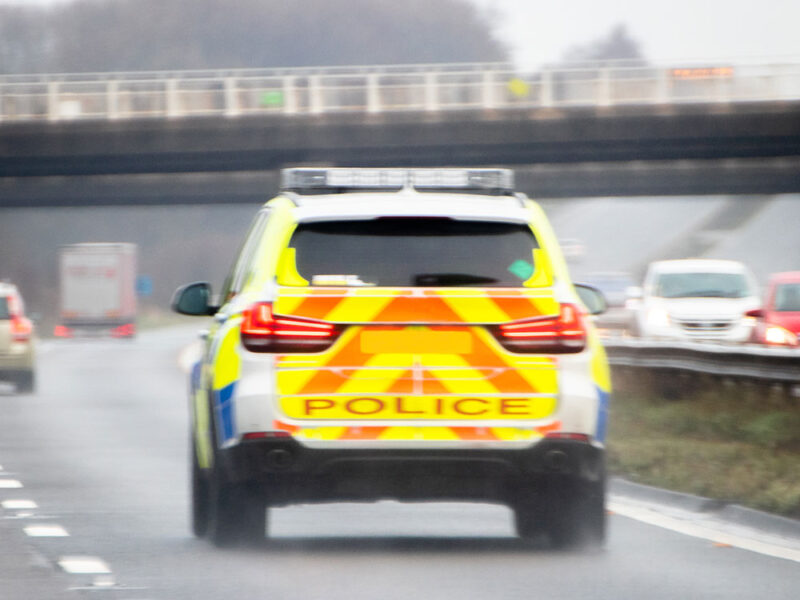
Abnormal Loads – Calls for Changes to Law for Abnormal Loads Needing Police Escorts
Recently in the trade press there have been articles reporting calls from the UK’s Heavy Transport Association (HTA) for the law to be changed regarding police escorting of abnormal loads….
by Emma Pelly

DVLA Confirms New Rules for Professional Drivers Living with Diabetes
From Friday 7th November 2025 the rules were changed to allow diabetic drivers of PSV’s and HGV’s to monitor their glucose levels using Continuous Glucose Monitoring Systems….
by Emma Pelly

Carrying Your Own: Horses to Widgets? Do you Need an O Licence?
The DVSA recently released a press release about the rules for transporting horses in horse boxes and trailers following an update on the guidance about using a tachograph in the vehicle being used to transport the animals…
by Emma Pelly

The Senior Traffic Commissioner’s Statutory Guidance
The value of The Statutory Guidance Documents and the importance to operators, nominated transport managers and other professionals involved in the operation and driving of large commercial vehicles cannot be overstated…
by Emma Pelly

Walkaround Checks – Where Road Safety Starts
Every day, often before the sun is above the horizon, hundreds of thousands of commercial vehicles are started up by their drivers and then they head out on to the UK’s road network to transport goods or passengers from one point to another, often with demanding time constraints thrown into the mix…
by Emma Pelly

Traffic Commissioner’s Annual Report 2024/25: “Don’t Look Back in Anger”
Time has flown by and once again we find that the schools are back after the long summer break and the Office of the Traffic Commissioner has issued its annual report to the Secretary of State, providing a review of the year…
by Emma Pelly

An Apple a Day to Keep the DVLA Away – A review of the DVLA’s Rules on Health Checks for Professional Drivers
There has been some discussion in the industry trade press recently that has highlighted proposed changes to how the disease of diabetes is monitored in professional drivers by the DVLA. One article in RouteOne Magazine stated that…
by Emma Pelly
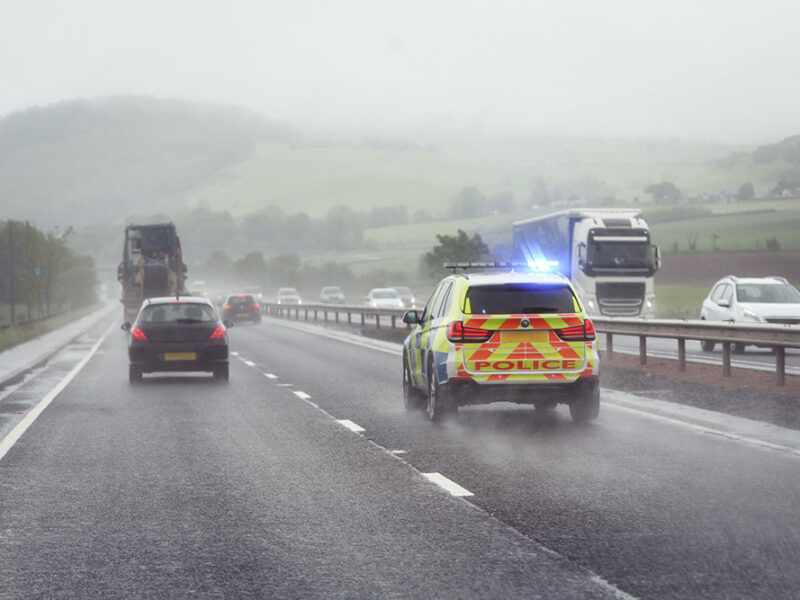
Light Goods – Heavyweight Industry: The DVSA’s New LGV Strategy
While relatively small in overall physical size light goods vehicles (LGVs) are now a large part of the UK road transport industry. There are currently estimated to be over 5.1 million light goods vehicles on UK roads today…
by Emma Pelly

Employment Law Update – A tale like Scylla & Charybdis
Operators currently face their own real time nightmare in the form of a modern day version of the Greek mythological tale of Scylla and Charybdis (where sailors faced a narrow strait through which they had to pass which had a monster on one side and a whirlpool on the other!)…
by Emma Pelly

Labour Government – Employment Rights Bill – What Will It Mean for Transport Businesses?
In October 2024 the Deputy Prime Minister, Angela Rayner set out her intention to reform the employment rights held by employees in the UK. In a press release issued at the time she is quoted a saying…
by Emma Pelly